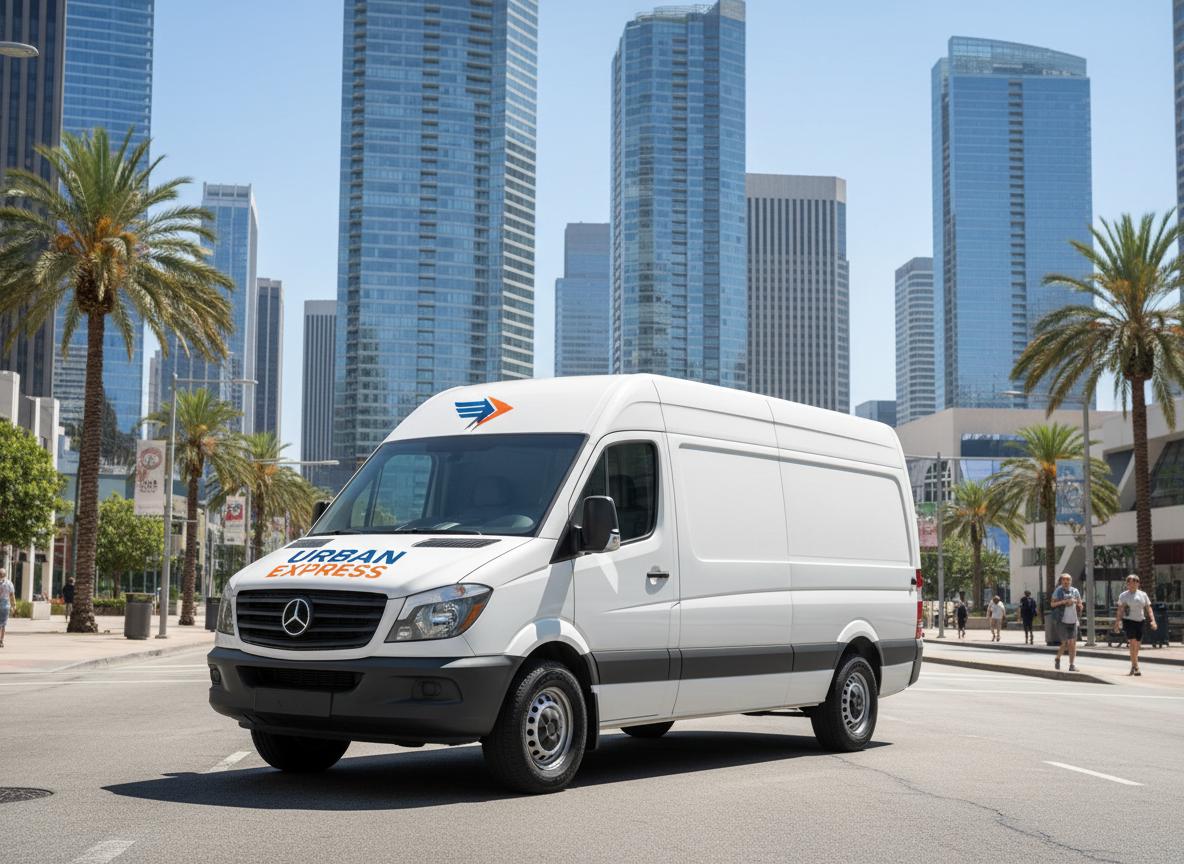
Why weight decides almost everything
| Requirement | Applies to an interstate for-hire box truck when |
|---|---|
| USDOT number | The truck is 10,001 pounds or more (GVWR or actual weight, whichever is greater), or you need operating authority |
| MC operating authority | You haul regulated freight for others across state lines, at any weight |
| DOT medical card, HOS, DQ file, annual inspection | 10,001 pounds or more |
| CDL and drug and alcohol testing | 26,001 pounds or more GVWR, or placarded hazmat |
| IRP plates and IFTA | Over 26,000 pounds (registered or actual gross weight), three or more axles, or a combination over 26,000 pounds |
| Form 2290 | Taxable gross weight of 55,000 pounds or more (rare for box trucks) |
Registration and authority
- 1Form the business, get a free EIN and open a business bank account.
- 2Get a USDOT number, and MC authority if you haul for others across state lines. Many states also require a USDOT number for intrastate carriers, so check with your state.
- 3Have your insurer file proof of insurance with FMCSA and get a BOC-3 filed.
- 4Register for UCR every year.
- 5Mark the truck with your legal name and USDOT number on both sides.

Up next
Insurance minimums
3 of 6 sections
Insurance minimums
For-hire interstate carriers of general freight must carry at least 750,000 dollars of public liability coverage for vehicles of 10,001 pounds or more. A carrier whose fleet includes only vehicles under 10,001 pounds needs at least 300,000 dollars. Brokers and shippers often require more, plus cargo insurance.
Drivers of non-CDL box trucks
- A DOT medical examination from an examiner on the National Registry, with the certificate (or a copy) carried by the driver.
- Minimum age of 21 for interstate driving.
- English proficiency: drivers must read and speak English well enough to understand road signs and talk with officers. Violations now put drivers out of service.
- A driver qualification file for each driver.
- Hours-of-service rules. Local operations can often use the non-CDL short-haul exception instead of an ELD.
- DOT drug and alcohol testing does not apply to non-CDL drivers, though many shippers ask for a company drug policy anyway.
The truck
- Annual inspection, maintenance records and driver vehicle inspection reports apply at 10,001 pounds or more.
- Lift gates, pallet jacks and straps are common requirements for final-mile and LTL freight.
- Before you buy, compare the GVWR on the door sticker with the requirements table above. A truck rated just over 26,000 pounds brings CDL and drug testing requirements.
Up next
Finding work
6 of 6 sections
Finding work
Box trucks are common for final-mile delivery, LTL and partial loads, expedited freight and local distribution. Work comes from load boards, brokers that handle box truck freight, contracts with delivery networks, and local businesses. Run the numbers per mile or per route with the cost per mile worksheet before you commit to a contract rate.